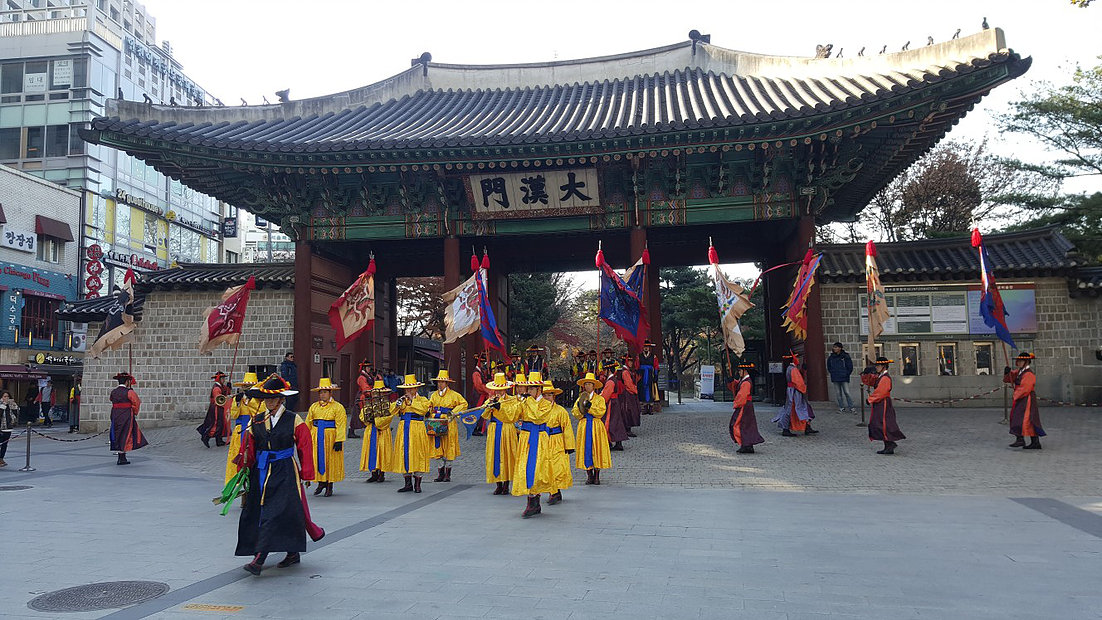
Deoksugung (99 Sejong-daero, Jeong-dong, Jung-gu, Seoul) — Deoksugung, also known as Gyeongun-gung, Deoksugung Palace, or Deoksu Palace, is a walled compound of palaces in Seoul that was inhabited by members of Korea’s royal family during the Joseon monarchy until the annexation of Korea by Japan in 1910. The Changing of the Royal Guard can be […]
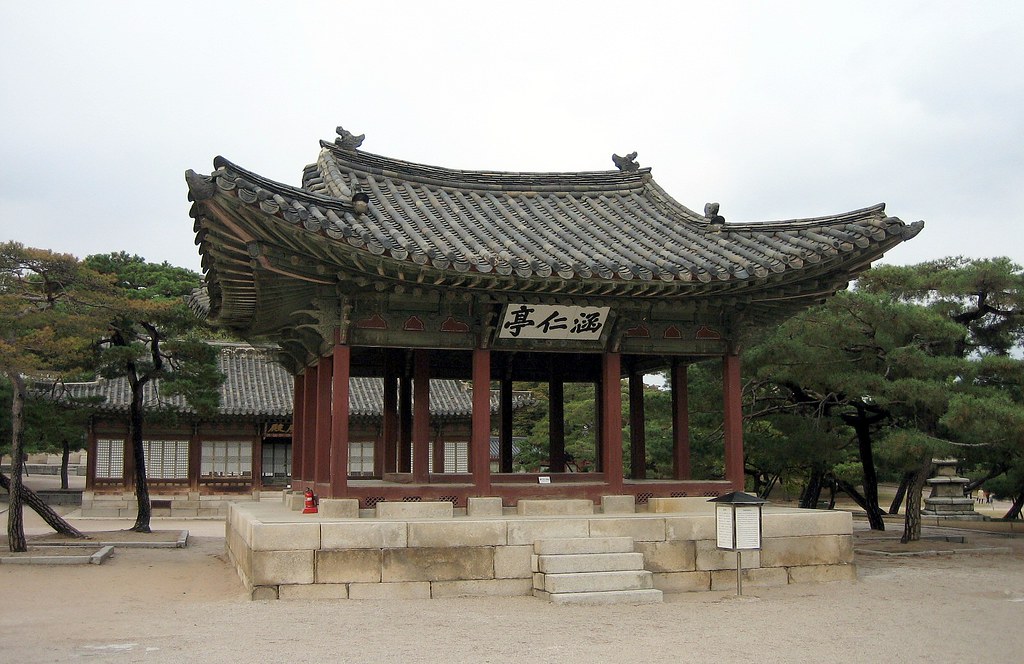
Changgyeonggung Palace (185 Changgyeonggung-ro, Waryong-dong, Jongno-gu, Seoul) — Changgyeong Palace is a palace located in Seoul, South Korea. The palace was built in the mid-15th century by King Sejong for his father, Taejong. It was originally named “Suganggung,” but it was renovated and enlarged in 1483 by King Seongjong, at which time it received its […]
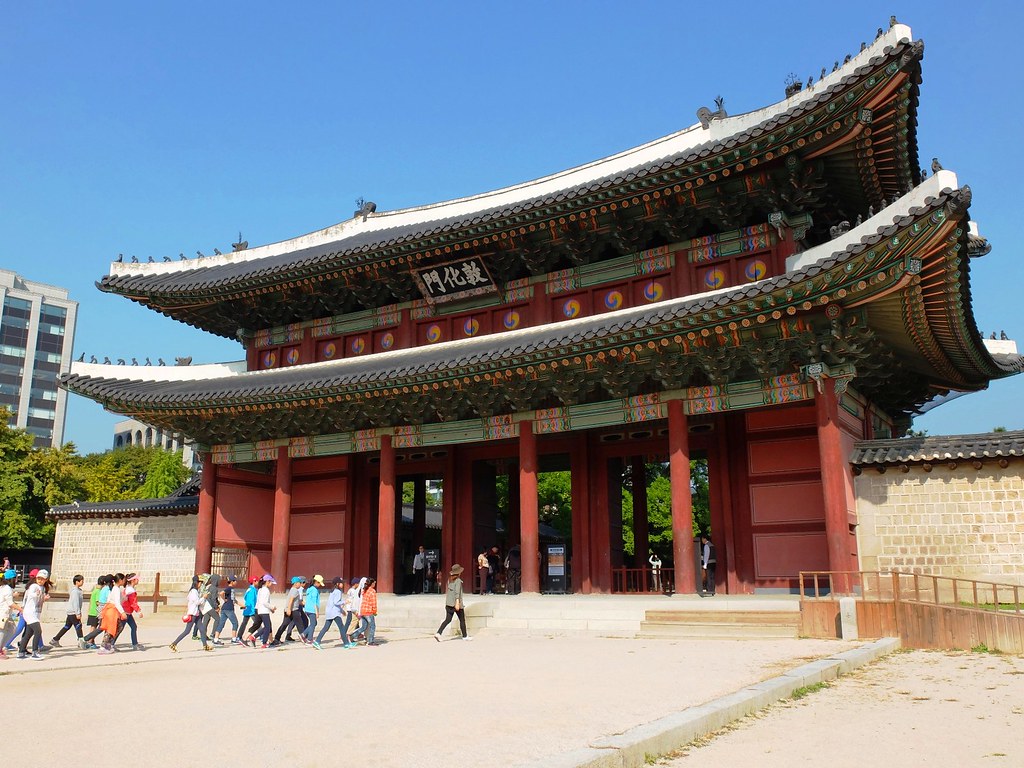
Changdeokgung (99 Yulgok-ro, Waryong-dong, Jongno-gu, Seoul) — Changdeokgung, also known as Changdeokgung Palace or Changdeok Palace, is set within a large park in Jongno-gu, Seoul, South Korea. It is one of the “Five Grand Palaces” built by the kings of the Joseon Dynasty. Kings and their ministers discussed state affairs at Changdeokgung Palace and residence […]
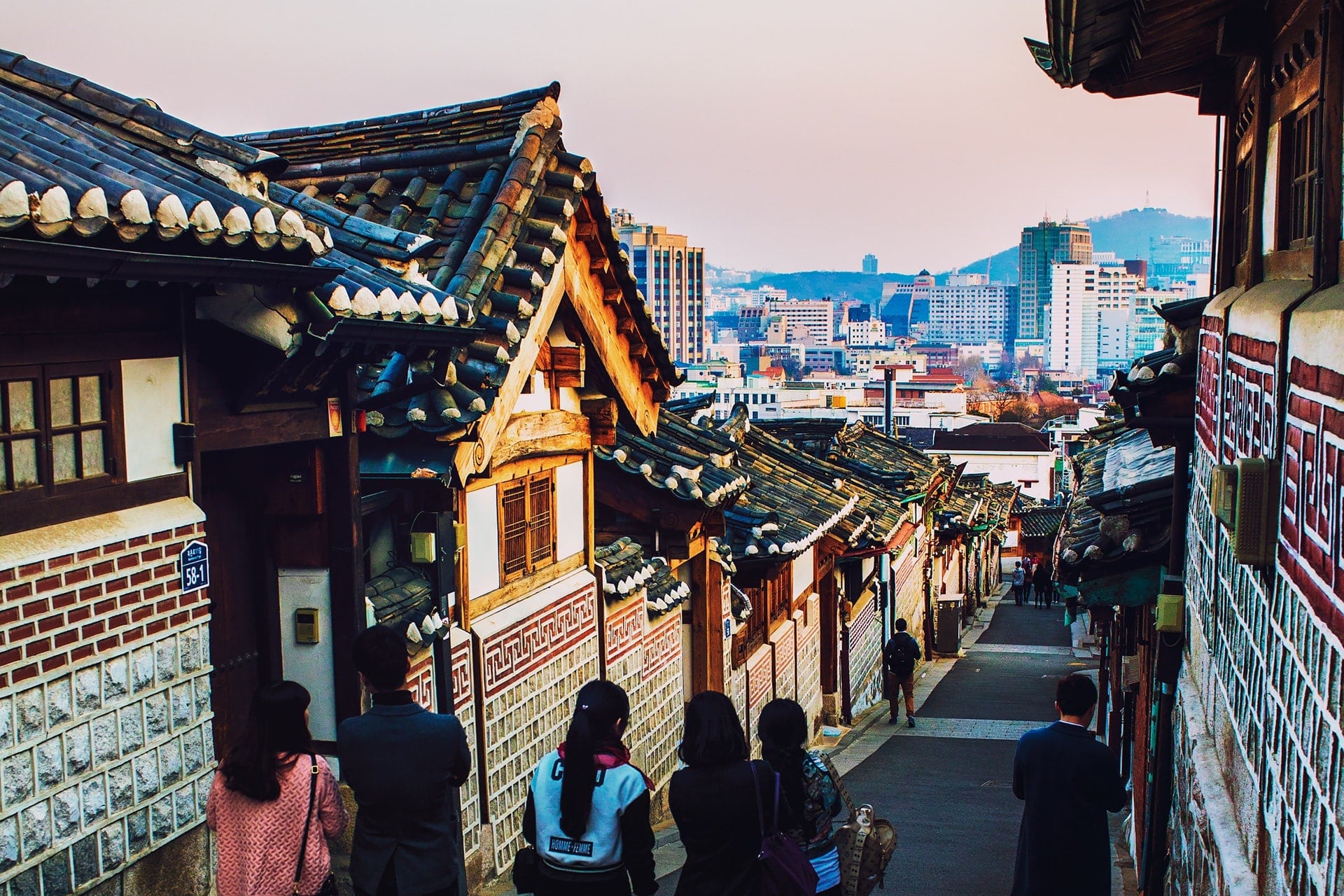
Bukchon Hanok Village (Seoul) — Bukchon Hanok Village is a Korean traditional village in Seoul with a long history located on the top of a hill between Gyeongbok Palace, Changdeok Palace and Jongmyo Royal Shrine. The traditional village is composed of lots of alleys, hanok and is preserved to show a 600-year-old urban environment. As […]
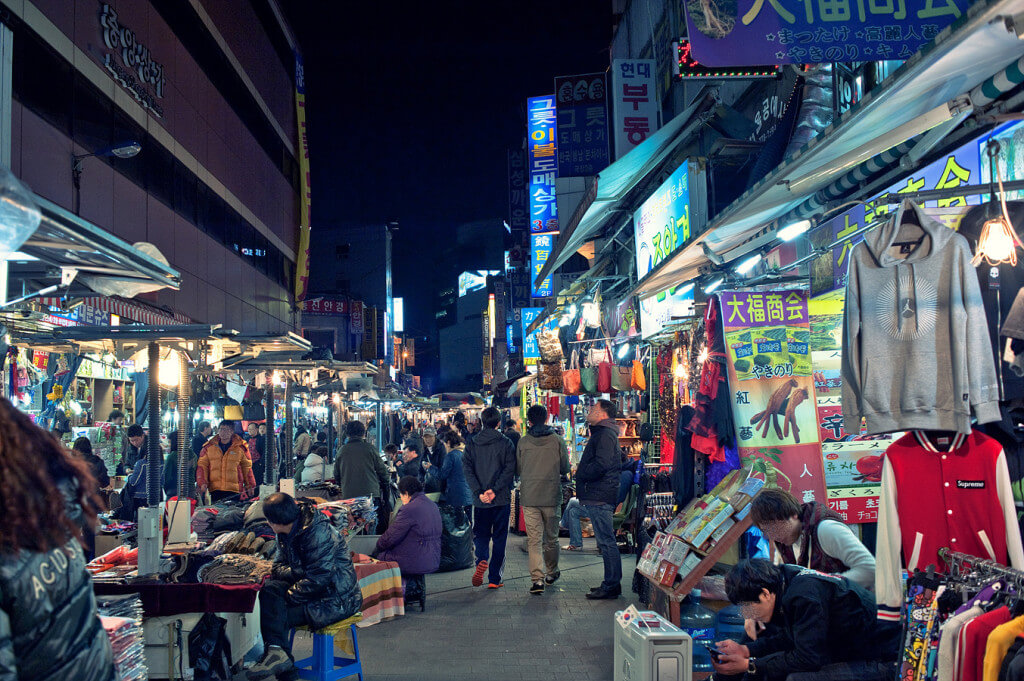
Dongdaemun Market (Euljiro 6(yuk)-ga, Jung-gu, Seoul) — Dongdaemun Market or Tongdaemun is a large commercial district in Jongno-gu, Seoul, South Korea. With traditional markets and shopping centers, it is a popular shopping and tourist destination that has been designated a ‘Special Tourism Zone’ since 2002.
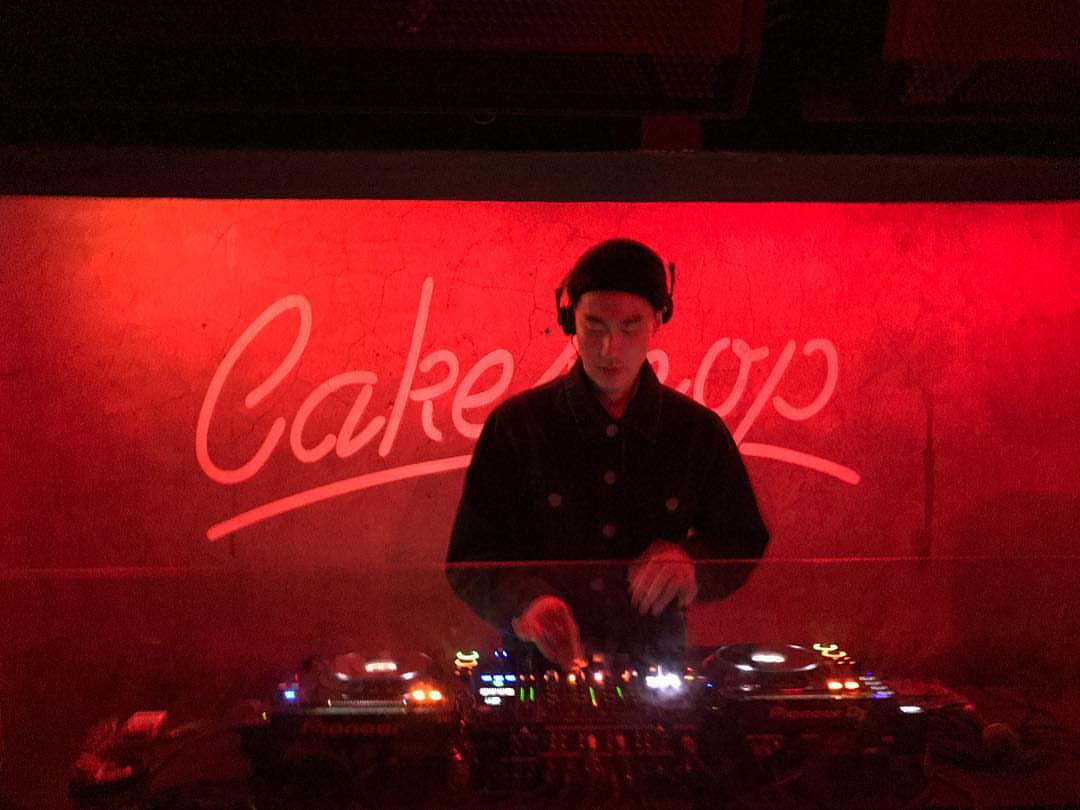
Cakeshop Seoul (134 Itaewon-ro, Itaewon 1(il)-dong, Yongsan-gu, Seoul) – this venue, which has an industrial-themed interior, plays a mix of house, UK bass, techno, disco, Hip Hop and R&B to a 20-something crowd. The club usually opens from 10 pm up until around 5:00 am. There is a 20,000 Won entrance fee and it also […]

Braai Republic Food Co. (19 Itaewon-ro 14-gil, Itaewon 1(il)-dong, Yongsan-gu, Seoul) – this restaurant is unique, since it specializes in South African foods such as Boerewors (sausage), Droëwors (dry sausage), Biltong (dried beef), Pap (porridge), and many South African fruit juices and drinks. Braai Republic also has brunch on Sundays and Weekend Specials of Bunny Chow and Lamb […]
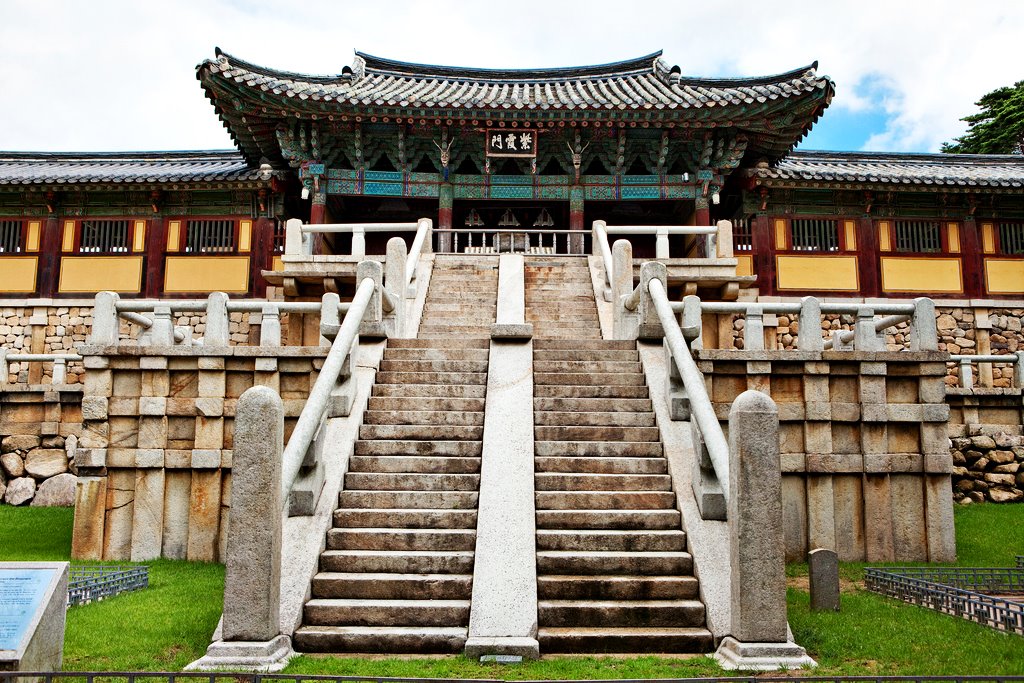
Bulguksa (15-1 Jinhyeon-dong, Gyeongju, Gyeongsangbuk-do) — Bulguksa is located on the slopes of Mount Toham. It is a head temple of the Jogye Order of Korean Buddhism and encompasses seven National treasures of South Korea, including the Dabotap and Seokgatap stone pagodas, Cheongun-gyo, and two gilt-bronze statues of Buddha. Admission: 5,000 Won (adult) 3,500 Won […]
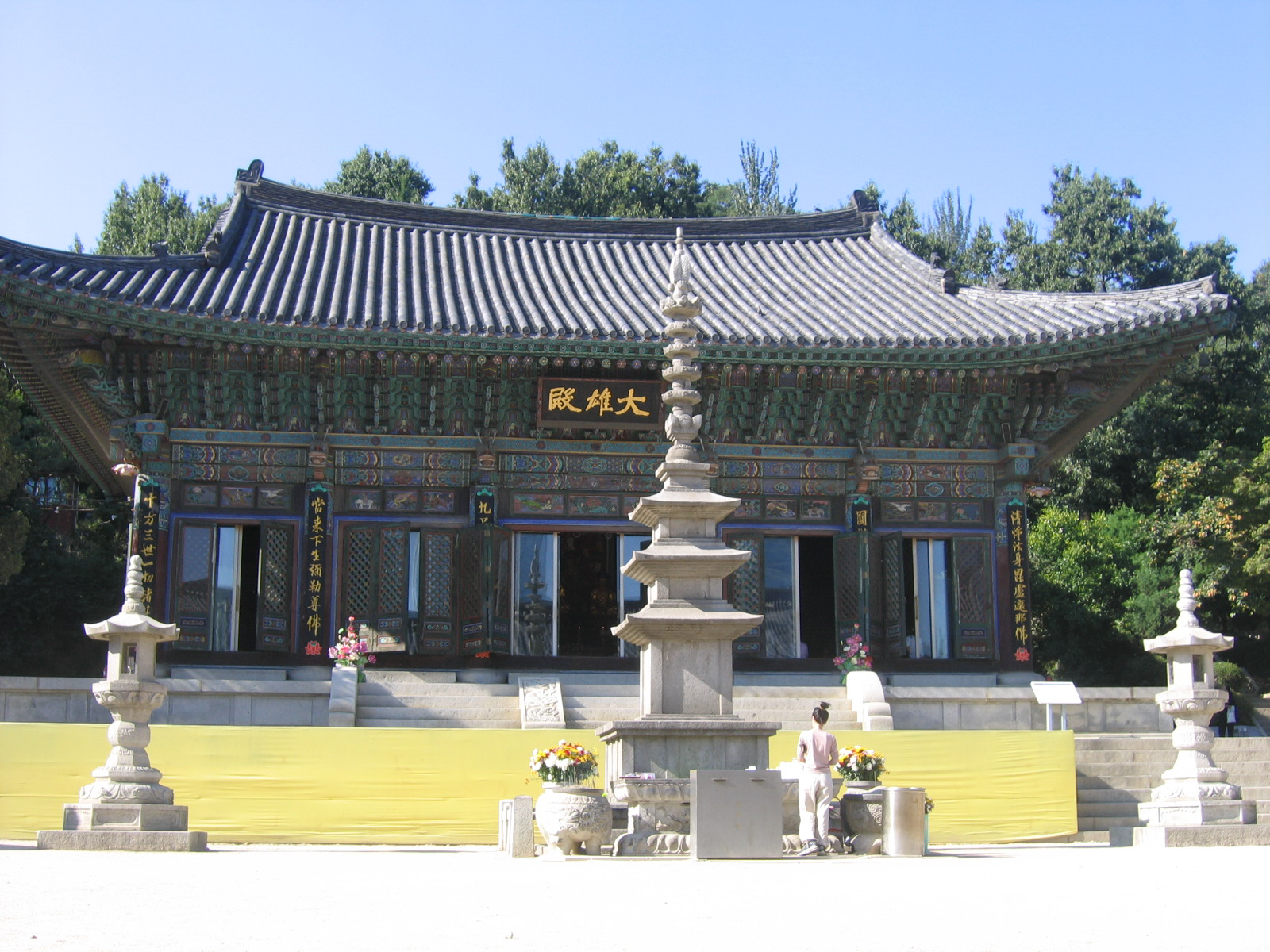
Bongeunsa (531 Bongeunsa-ro, Samseong 1(il)-dong, Gangnam-gu, Seoul) — Bongeunsa is a Buddhist temple located in Samseong-dong, Gangnam-gu in Seoul, South Korea. It was constructed in the 10th year of Silla King Weongseong’s reign (794). In 1498, Queen Jeonghyeon refurbished Gyeonseongsa Temple and renamed it Bongeunsa Temple. Originally located near the Royal Tomb of King Seongjong, […]
Unlike China and Japan, which had varying degrees of interaction with the west by the early 20th century, Korea was little known in international circles at that time, in part because of its unique history. In 1897, the Korean Empire (which included what’s now North Korea, as well as South Korea), was formed by Emperor […]